
MBBS IN BOSNIA
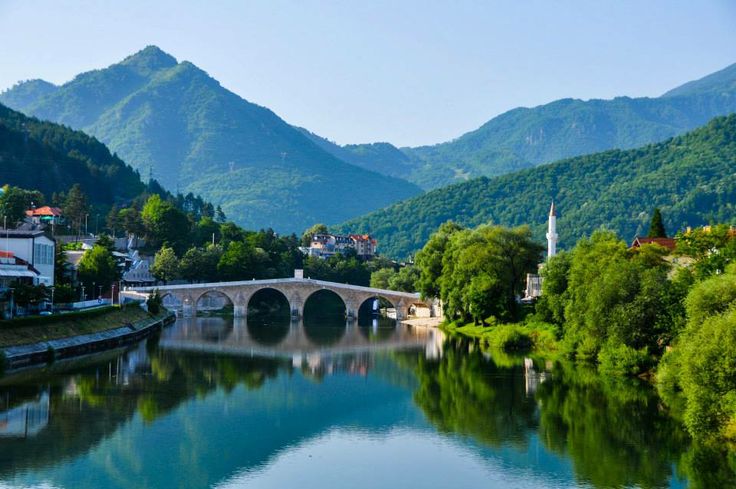
Study MBBS in Bosnia
Bosnia and Herzegovina, located in Southeast Europe on the Balkan Peninsula, is steadily gaining recognition as a favorable destination for international students aspiring to study medicine. Known for its rich history, diverse culture, and emerging academic infrastructure, Bosnia offers an affordable yet quality alternative to medical education in Western Europe or the USA. In recent years, many students from countries like India, Nepal, Pakistan, Egypt, and other parts of Asia and Africa have considered Bosnia as a promising destination for MBBS.
Why Choose Bosnia for MBBS?
Affordable Tuition and Living Cost
Bosnia offers cost-effective medical education. Tuition fees for MBBS programs range from €3,000 to €6,000 per year, which is significantly lower compared to the US, UK, or even many Asian countries. Monthly living expenses including accommodation, food, transportation, and utilities generally fall between €250 to €500, making it a financially viable option for students from developing countries.Globally Recognized Degree
Medical degrees offered in Bosnia are recognized by major international bodies like the World Health Organization (WHO), World Directory of Medical Schools (WDOMS), and in some cases by Medical Councils of various countries. Graduates are eligible to appear for licensing exams such as USMLE (USA), PLAB (UK), NEXT (India), and others.English-Medium Instruction
Many Bosnian universities offer MBBS programs in English, making it accessible for international students. However, learning the local language (Bosnian) is encouraged for better communication with patients during clinical rotations.Modern Infrastructure and Clinical Exposure
Medical universities in Bosnia are equipped with modern laboratories, libraries, and affiliated teaching hospitals. Students gain substantial clinical exposure from the 3rd or 4th year of study, working directly with patients under supervision.Safe and Peaceful Environment
Bosnia has made significant strides in terms of safety and development since the 1990s. Today, it’s a peaceful country with a low crime rate and a welcoming environment for foreign students.Cultural Diversity
Bosnia is home to a rich mix of cultures and religions, making it easier for international students to adapt. The people are known for their hospitality and warmth.
Top Medical Universities in Bosnia
Here are some well-known universities that offer MBBS or equivalent programs:
1. University of Sarajevo – Faculty of Medicine
Located in the capital city, Sarajevo.
Offers integrated programs in medicine (MD equivalent).
English-medium program available for foreign students.
Recognized by WHO and WDOMS.
2. University of Banja Luka – Faculty of Medicine
Offers English-medium medical education.
Strong emphasis on research and clinical training.
Recognized across Europe.
3. University of Mostar – School of Medicine
Another top institution offering modern medical training.
Affiliated hospitals for clinical practice.
Known for its academic support for international students.
Eligibility Criteria for MBBS in Bosnia
Age: Minimum 17 years.
Qualification: 10+2 with Physics, Chemistry, Biology, and English.
Minimum Marks: Generally 50% in PCB (some universities may require more).
NEET: Indian students must qualify the NEET exam to pursue MBBS abroad.
Language: IELTS/TOEFL is not always mandatory, but an English proficiency certificate from school might be required.
Duration of MBBS in Bosnia
The MBBS program usually lasts 6 years, including:
5 years of academic education (theoretical + pre-clinical and clinical training).
1 year of internship/clinical rotation.
Admission Process
Choose a University: Research and finalize the university.
Submit Application: Fill out the online application form and upload required documents.
Receive Admission Letter: Once accepted, the university sends a conditional offer letter.
Pay Initial Fees: Pay tuition to receive a confirmation of enrollment.
Apply for Visa: With your admission letter, apply for a Bosnian student visa.
Travel and Enroll: Fly to Bosnia, complete registration, and begin your course.
Documents Required
10th and 12th Mark Sheets
NEET Scorecard (for Indian students)
Passport (valid for at least 18 months)
Birth Certificate
Passport-size photographs
Admission letter from university
Medical fitness certificate
Police clearance certificate
Visa application form and fee payment
Proof of funds (bank statement or sponsorship letter)
Student Visa for Bosnia
International students require a temporary residence permit and a student visa. The visa process can take 4–8 weeks, so it’s important to start early. Bosnia typically requires:
Proof of admission
Health insurance
Proof of financial means
Accommodation details
Return flight ticket (optional)
Life of Students in Bosnia
Language: While classes are in English, basic knowledge of Bosnian helps in daily life and clinical interactions.
Weather: Bosnia has four seasons. Winters can be cold with snow, while summers are warm.
Food: Indian and Halal food options are available in bigger cities like Sarajevo and Mostar.
Accommodation: Students can live in university hostels or private apartments.
Travel: Bosnia is connected to Europe, allowing students to explore other countries during holidays.
FMGE/NExT and USMLE After MBBS in Bosnia
Indian Students: After completing MBBS, students must pass the Foreign Medical Graduate Exam (FMGE) or the NEXT (from 2025) to practice in India.
USA/UK Aspirants: Bosnian MBBS graduates are eligible to take USMLE (USA) or PLAB (UK) if they aim to pursue post-graduation or practice abroad.
Pros and Cons of Studying MBBS in Bosnia
Pros:
Affordable tuition and living expenses.
English-medium programs.
WHO/WDOMS-listed universities.
Peaceful and welcoming environment.
Decent clinical exposure.
Cons:
Recognition varies; check MCI/NMC approval.
Cold weather may not suit everyone.
Learning local language is important for hospital practice.
Fewer Indian communities compared to countries like Russia or Ukraine.